September 23, 2026
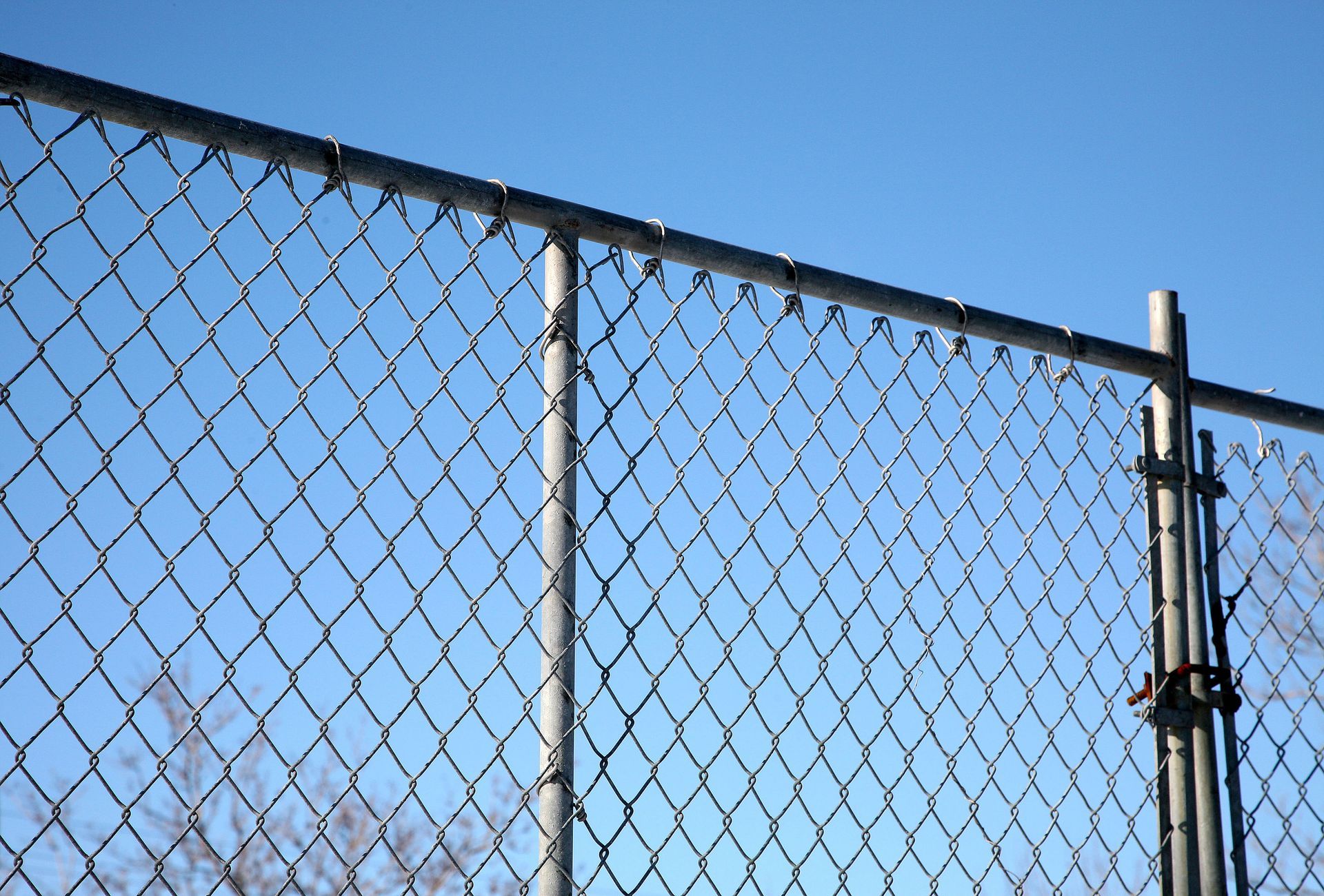
In the dynamic realm of construction, civil engineering, and large-scale event management, temporary fencing has emerged as a fundamental requirement for operational continuity, safety, and regulatory compliance. The decision to secure a site with temporary fencing extends far beyond simply marking geographical boundaries or outlining property lines. Instead, deploying a robust temporary fencing system represents a proactive investment in jobsite security, risk management, economic efficiency, and environmental protection. Whether managing an urban high-rise construction project, a suburban utility upgrade, or a temporary public venue, site managers face complex challenges ranging from unauthorized trespassers and equipment theft to strict municipal codes and environmental site preservation mandates. By examining the operational advantages of modern perimeter solutions, project leaders can implement structured strategies that improve workflow efficiency, limit financial liabilities, and protect human life.
Enhancing Security and Managing Onsite Hazards
A primary objective for employing temporary fencing across any modern jobsite is preventing unauthorized access to protect both personnel and high-value physical assets. Unsecured construction zones present severe safety risks to inquisitive members of the public, trespassers, and unauthorized individuals who lack the training or protective gear necessary to navigate active jobsite hazards. Installing temporary fencing creates a sturdy, continuous physical barrier that deters unauthorized entry, minimizes attractive nuisance liabilities, and mitigates potential injury risks. By establishing a strictly controlled perimeter, site managers maintain absolute operational integrity, track site access points effectively, and maintain a documented record of authorized personnel entering the facility.
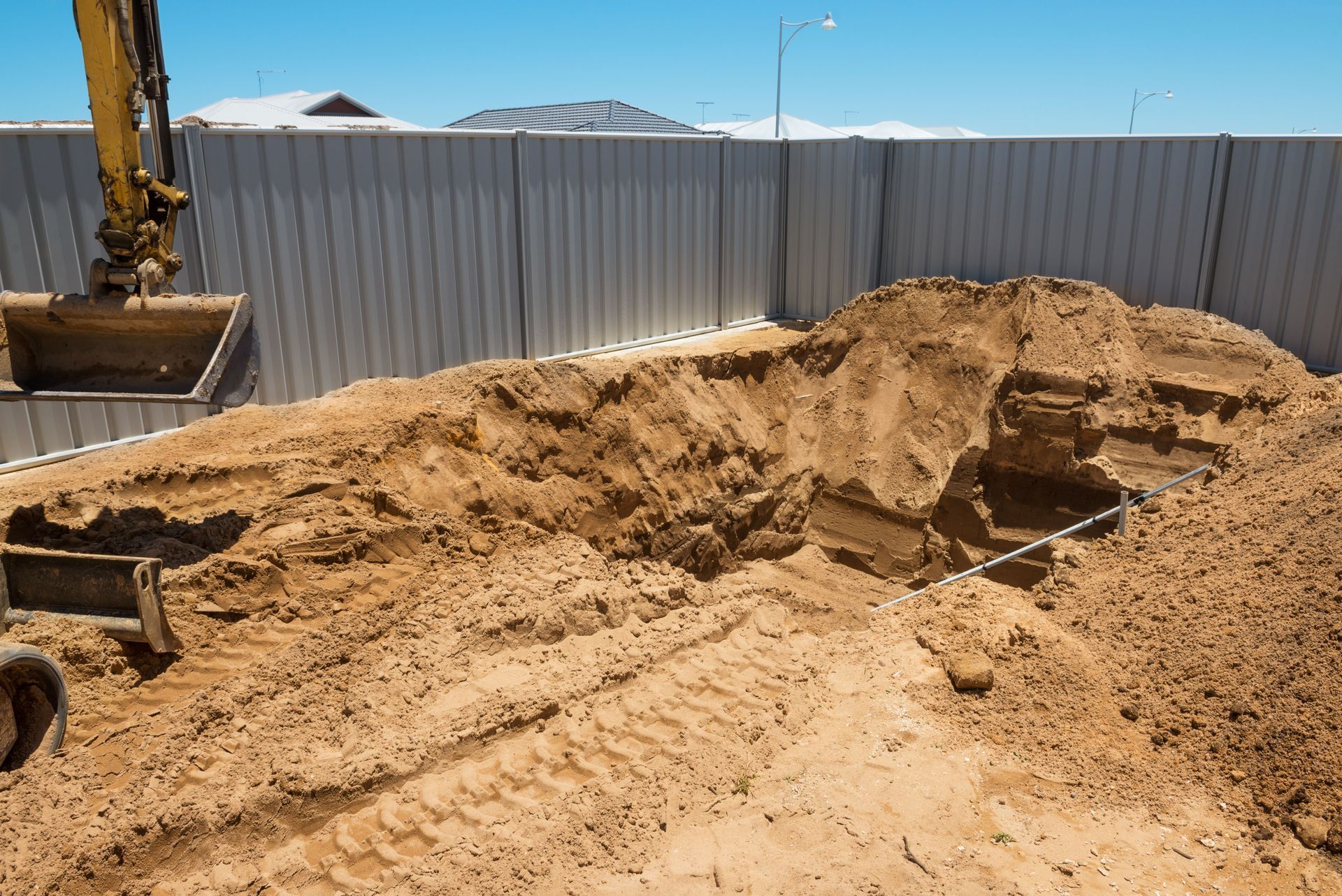
Beyond external perimeter defense, temporary fencing plays an indispensable role in managing internal jobsite hazards for active workers, subcontractors, and authorized visitors. Large-scale job sites feature dynamic safety hazards, including open excavation pits, overhead crane operations, high-voltage electrical installations, and heavy equipment transport routes. Clearly defined internal temporary fencing boundaries delineate general work areas from these high-risk zones, keeping non-essential workers at a safe distance from hazardous operations. During sudden site emergencies or evacuation scenarios, these structured barriers facilitate organized crowd control, prevent bottlenecking, and direct personnel smoothly toward designated emergency assembly zones.
Mitigating asset theft, tool loss, and property vandalism represents another major operational advantage of deploying secure temporary fencing systems. Construction sites are prime targets for opportunistic theft and organized crime due to the high market value of raw building materials, commercial tools, copper piping, and heavy machinery left on-site overnight. Establishing a secure temporary fencing perimeter, often enhanced with privacy screening or anti-climb hardware, substantially reduces property loss and discourages malicious vandalism. By preventing theft and property damage, construction management avoids costly replacement expenses, maintains schedule continuity, and preserves project profit margins.
Ensuring Legal Compliance and Meeting Regulatory Standards
Navigating municipal regulations, local building codes, and regional safety mandates is a crucial prerequisite when establishing any commercial or residential jobsite. Municipalities and regulatory bodies routinely mandate specific safety standards and physical perimeter controls, which are readily satisfied through the strategic installation of temporary fencing. Adhering to these mandatory local laws helps development companies avoid expensive administrative fines, municipal stop-work orders, and legal disputes with surrounding property owners. Demonstrating strict adherence to public safety codes from day one ensures project timelines move forward without regulatory friction.
Occupational safety standards require rigorous adherence to national and industry-specific protocols to maintain low-risk working environments. Deploying heavy-duty temporary fencing demonstrates a company's commitment to worker safety, risk reduction, and professional site management standards. A well-secured jobsite fosters worker confidence, streamlines day-to-day operations, and projects a highly professional image to inspectors, clients, and community stakeholders. Furthermore, maintaining high compliance standards helps construction firms secure favorable insurance rates by actively lowering site risk profiles and historical claim probabilities.
Prioritizing site safety through structured barrier placement seamlessly aligns site operations with legal mandates and liability requirements. Strategic placement of temporary fencing controls traffic flow, separates heavy machinery operation zones from pedestrian footpaths, and limits unauthorized equipment interactions. By coordinating jobsite configurations with ongoing regulatory oversight, project managers ensure uninterrupted workflow, protect project labor forces, and eliminate the administrative burdens associated with regulatory non-compliance investigations.
Optimizing Operational Costs and Adapting to Site Flexibility
From a financial management perspective, temporary fencing delivers a highly adaptable, cost-effective alternative to permanent structural walls or masonry enclosures. Permanent barriers require substantial capital outlays, extensive ground excavation, professional masonry labor, and long setup times that are impractical for temporary construction phases. In contrast, temporary fencing provides immediate physical security, modular flexibility, and spatial management without long-term financial commitments. For short-term commercial projects, civil infrastructure upgrades, and temporary public events, temporary fencing represents a scalable solution that optimizes budgetary expenditures.
The inherent versatility of temporary fencing allows project managers to customize site layouts in real-time to match changing project demands. Modern temporary fencing panels can be tailored regarding height, panel width, anchoring systems, privacy netting, and integrated vehicle access gates. As construction phases transition from site clearing and foundation work to framing, exterior cladding, and final landscaping, site boundaries must adapt. Because temporary fencing systems are modular, perimeters can be expanded, contracted, or reconfigured quickly without destroying existing ground infrastructure or wasting materials.
Ease of rapid assembly and disassembly drastically reduces jobsite setup times and labor costs. Site crews can deploy, align, and anchor modular temporary fencing panels rapidly without heavy machinery or invasive ground digging. This operational speed ensures immediate site protection prior to the arrival of high-value tools or heavy equipment. Additionally, low maintenance requirements and simple transport options make temporary fencing an economically viable asset across multi-stage regional developments.
Minimizing Environmental Disturbance and Promoting Sustainability
Incorporating temporary fencing into comprehensive jobsite planning actively supports environmental preservation and sustainable construction methodologies. Modern temporary fencing components are frequently manufactured from durable, recyclable steel and aluminum, minimizing material waste and supporting circular economy practices. According to Proswppp, when making a concrete washout, you need a setup location at least 50 feet away from storm drains, wetlands, or streams before the first concrete truck arrives, highlighting the necessity of careful perimeter planning and environmental boundary control. Utilizing temporary fencing around designated washout areas ensures environmental regulations are upheld, and nearby ecosystems remain protected.
Unlike permanent boundary structures that demand deep concrete footings, soil excavation, and heavy machinery access, temporary fencing minimizes overall ground disturbance and soil compaction. Preserving native vegetation, root structures, and natural topography is crucial, particularly on environmentally sensitive or greenfield developments. Temporary barriers allow site directors to isolate sensitive ecological zones, establish silt fence boundaries, and control site runoff without causing permanent structural damage to the surrounding landscape.
Directing Site Traffic and Improving Crowd Control
Systematic spatial management is vital for controlling heavy traffic movement and pedestrian activity around busy construction zones. Strategic placement of temporary fencing directs heavy transport vehicles, delivery trucks, and concrete mixers along dedicated internal access routes, mitigating site congestion and preventing collisions. Establishing clear vehicular pathways enhances operational productivity, protects workers on foot, and prevents traffic backups onto public thoroughfares.
Pedestrian management around active construction zones is equally essential for public safety and risk reduction. Temporary fencing outlines designated public detours and secure walkways, preventing pedestrians from entering hazardous zones or walking near heavy machinery corridors. Installing clean, well-marked pedestrian barriers maintains order in high-density urban environments, minimizes public inconvenience, and ensures accessibility compliance for all community members during ongoing construction operations.
Implementing temporary fencing on job sites provides undeniable practical advantages, encompassing perimeter security, legal compliance, financial efficiency, environmental stewardship, and organized traffic management. Beyond marking property boundaries, temporary fencing serves as an essential framework for site safety, operational discipline, and liability protection. Evaluating jobsite security requirements early in the project planning phase ensures that temporary fencing is deployed as an effective operational asset. For more information about the services that we offer, reach out to our incredible team at ESI Environmental Services, LLC today!