August 21, 2026
Construction projects generate waste almost from the moment work begins. Demolition can leave behind broken concrete, drywall, lumber, roofing materials, and other debris, while new construction creates scraps, packaging, and discarded materials throughout the building process. Without an organized cleanup strategy, this waste can quickly occupy valuable space and make it harder for crews to work efficiently.
Keeping a construction site clean is about more than appearance. Loose debris can create obstacles, interfere with equipment, and contribute to unsafe working conditions. A reliable system for collecting and removing waste allows workers to keep the job site organized while construction continues.
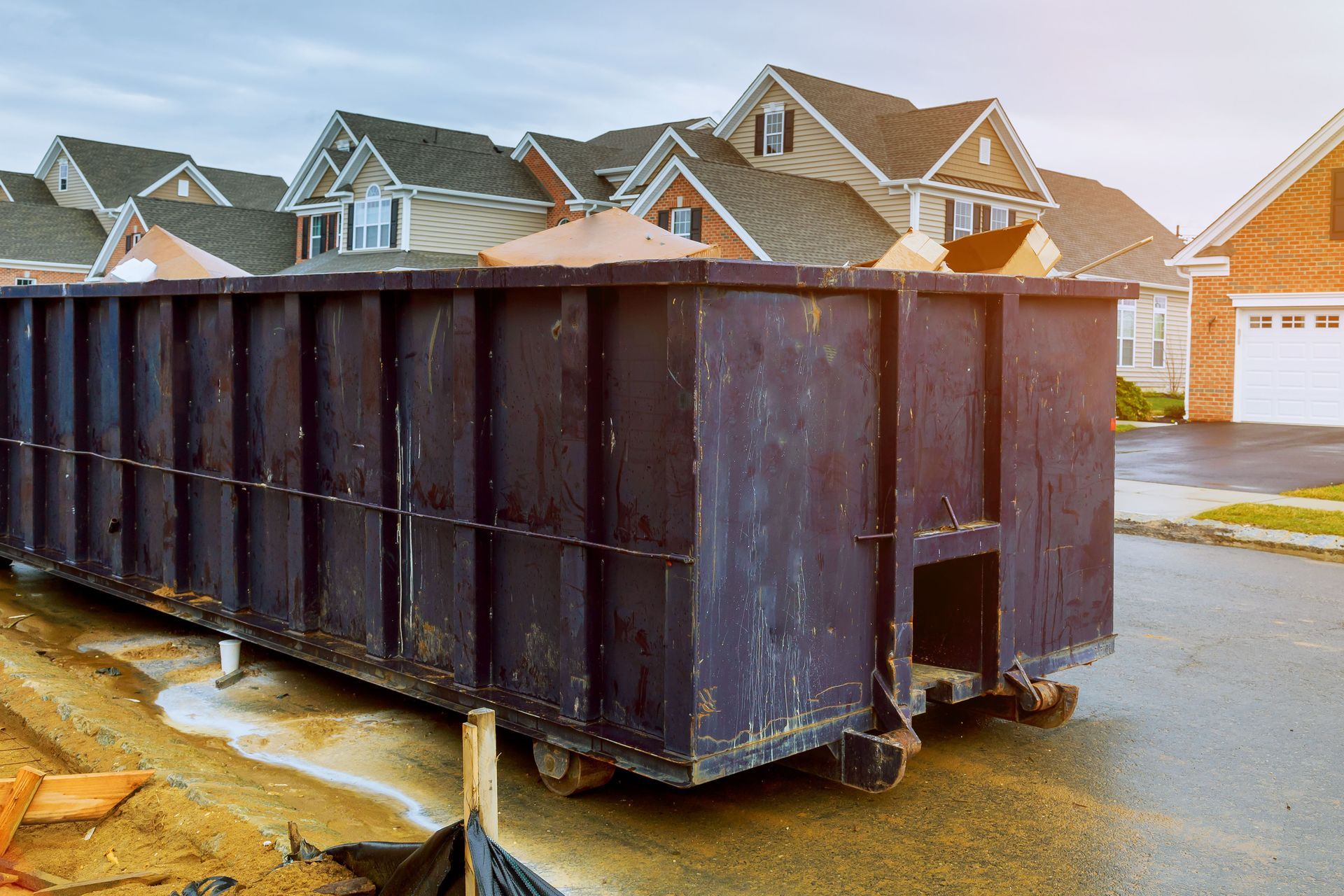
Roll-off dumpster services provide a practical solution for handling large quantities of construction debris. These services allow contractors to have a large waste container delivered directly to the property, where crews can place debris as it is generated. Once the container is full or the project reaches a scheduled cleanup point, it can be hauled away and replaced if necessary.
What Are Roll-Off Dumpster Services?
Roll-off dumpster services provide large, open-top containers designed to hold substantial amounts of waste. Unlike smaller dumpsters that are typically emptied on a regular route, roll-off containers are delivered and removed using specialized trucks. Their design makes them particularly useful for construction, renovation, and demolition projects.
The containers have wheels or a rolling mechanism that allows the delivery truck to position them at the designated location. Once the container is ready for removal, the truck can load it and transport the debris to an appropriate disposal or processing facility.
For construction projects, roll-off dumpsters can accommodate many common types of nonhazardous debris. Depending on the provider and local regulations, this may include lumber, drywall, flooring, roofing materials, cabinets, packaging, and other building materials.
The open-top design is another advantage. Workers can generally toss or place materials into the container without having to lift debris over the side of a traditional enclosed dumpster. This can make loading faster when crews are dealing with large or bulky materials.
How Do Roll-Off Dumpsters Benefit Construction Sites?
One of the biggest benefits of roll-off dumpster services is convenience. Instead of requiring workers to repeatedly haul debris away in pickup trucks or trailers, a large container remains on-site throughout the cleanup process.
This can save considerable time during projects that generate waste continuously. Workers can place debris directly into the dumpster as demolition or construction progresses instead of creating temporary piles that must eventually be moved.
Roll-off dumpsters can also help keep construction sites more organized. A designated location for waste gives workers a clear place to put unwanted materials. This reduces the amount of debris scattered across work areas, pathways, and equipment access points.
Another benefit is predictable waste removal. Contractors can arrange for the container to be picked up when it reaches capacity or when a particular phase of the project is complete. If the work continues to generate debris, the provider may be able to exchange the full container for an empty one.
Roll-off dumpster services can also simplify transportation. A single container can hold a substantial amount of debris, allowing a contractor to consolidate waste instead of making numerous smaller trips to a disposal facility.
What Sizes of Roll-Off Dumpsters Are Available for Construction Projects?
Roll-off dumpsters are available in different capacities, and the appropriate size depends on the amount and type of debris a project is expected to generate. Common options include containers around 10, 20, 30, and 40 cubic yards, although availability varies among providers.
A smaller container may be appropriate for a limited remodeling project, such as a bathroom renovation or small roofing job. A medium-sized container can accommodate debris from larger renovations involving multiple rooms or substantial amounts of material.
Larger 30- and 40-yard containers are often better suited to major renovations, commercial construction, or demolition projects that produce large quantities of debris.
However, volume is not the only consideration. Contractors should also account for the weight of the materials being discarded. Concrete, brick, asphalt, and other dense materials can become extremely heavy, even when they do not fill an entire container.
Before selecting a dumpster, contractors should discuss the project's materials with the provider. Weight restrictions, prohibited materials, and local disposal requirements can affect which container is appropriate.
How to Choose the Right Roll-Off Dumpster Service Provider?
Not every waste-removal company offers the same services, so contractors should compare providers before scheduling a container. One of the first things to consider is whether the company regularly handles construction and demolition debris.
Experience with construction projects can be useful because these jobs often generate heavier and bulkier waste than ordinary household cleanouts. A provider familiar with construction waste should also be able to explain container sizes, weight restrictions, and material requirements.
Delivery and pickup scheduling are equally important. Construction schedules can change quickly, so contractors should look for a company that can accommodate the project's anticipated timeline. Clear communication about delivery dates, pickup arrangements, and potential container exchanges can help prevent interruptions.
Pricing should also be evaluated carefully. Contractors should ask what is included in the quoted price and whether additional fees could apply for excess weight, extended rental periods, or prohibited materials.
Location matters as well. The dumpster needs to be placed somewhere that is accessible to the delivery truck without interfering with construction activity. A provider may be able to offer guidance about placement based on the property's layout.
What Are the Best Practices for Using Roll-Off Dumpsters on Construction Sites?
Proper dumpster placement is one of the first considerations. The container should be positioned on a stable surface where the delivery truck can safely access it. It should not block important entrances, emergency access routes, or areas needed for construction equipment.
Crews should also follow the provider's loading requirements. Waste should remain inside the container rather than being piled above its top. Overfilled dumpsters can create problems during transportation because loose debris may fall out while the container is being moved.
Materials should be distributed throughout the container instead of being concentrated in one area. Breaking down bulky items when practical can also help maximize available space.
Workers should know which materials are prohibited. Hazardous substances, certain chemicals, pressurized containers, and other restricted items may require separate disposal methods. Construction managers should communicate these requirements to everyone working on the site.
Keeping recyclable materials separate can also support better waste management. Depending on local facilities and the provider's capabilities, materials such as metal, clean wood, concrete, or cardboard may have recycling opportunities.
Safety should remain a priority during loading. Workers should use appropriate protective equipment and avoid climbing into dumpsters whenever possible. Heavy materials should be loaded carefully to prevent injuries or unstable debris piles.
Why Is Construction Site Cleanup Important?
Construction cleanup affects both productivity and safety. Workers need clear pathways to move materials and equipment around the property. Excess debris can make those tasks more difficult and increase the amount of time spent moving around obstacles.
A clean site can also make it easier for supervisors to monitor ongoing work. When waste is contained instead of scattered across the property, crews can more easily distinguish construction materials from items that need to be discarded.
Cleanup also becomes increasingly important as a project approaches completion. Before a property can be turned over to an owner or prepared for its next phase, leftover construction debris needs to be removed.
Construction projects inevitably produce debris, but that waste does not have to become a persistent obstacle. With the right cleanup strategy, contractors can keep materials contained and remove them according to the project's schedule.
Roll off dumpster services offer a convenient way to manage construction waste by providing large containers directly at the job site. Different container sizes can accommodate everything from smaller renovations to major construction and demolition projects, while scheduled pickups can keep debris from accumulating. If you need a dumpster, reach out to ESI Portable Toilets today!