September 25, 2026
Construction sites are dynamic hubs of continuous activity where operational efficiency and physical safety must always remain in careful balance. Among the various responsibilities associated with managing daily jobsite operations, controlling concrete washout waste stands out as a critical task requiring constant oversight and specialized care. Concrete washout liquids contain highly caustic chemicals, elevated pH levels, and heavy metal sediment that pose severe risks to surrounding soil ecosystems, local groundwater supplies, and municipal stormwater infrastructure. When concrete placement equipment, delivery pumps, and mixing trucks wash out leftover material at the completion of a pour, the resulting slurry must be strictly contained to prevent environmental contamination and expensive regulatory penalties. Securing this designated containment area requires robust boundary solutions that clearly mark the hazard zone while preventing accidental encroachment or improper waste dumping. Utilizing reliable temporary fencing services provides an essential layer of physical defense for construction projects of every size, establishing clear parameters around washout pits and containment structures. By implementing high-quality perimeter barriers around slurry collection areas, project managers effectively protect worker safety, prevent catastrophic site runoff, and maintain regulatory compliance throughout the building lifecycle.
Protecting Construction Sites From Environmental Hazards
Concrete slurry poses severe threats to natural ecosystems whenever improper containment allows liquid waste to leach beyond designated site boundaries. The highly alkaline nature of washout runoff can drastically alter soil chemistry, killing vegetation and rendering the ground useless for future landscaping efforts. Furthermore, if washout liquid manages to reach storm drains or open ditches, it flows directly into local rivers, streams, and natural bodies of water without prior treatment, causing immediate harm to aquatic life through elevated pH levels and heavy suspended solids. By deploying temporary fencing services around designated washout zones, site managers establish strong physical parameters that prevent heavy machinery or site personnel from inadvertently disturbing slurry pits, thereby keeping underlying containment liners fully intact and functional.
Unpredictable weather patterns further exacerbate environmental threats on active jobsites, as sudden rainfall can cause uncontained slurry ponds to overflow rapidly and unpredictably. Rainwater mixing with loose concrete waste creates toxic runoff that quickly spreads across vast sections of a jobsite, embedding harmful minerals deep within local soil layers and aquifers. Secure perimeter enclosures help keep heavy vehicles and earthmoving equipment at a safe distance, preventing severe ground compaction that accelerates surface runoff during heavy rainstorms. Moreover, perimeter barriers allow site supervisors to easily anchor secondary containment blankets or protective covers over the washout zone during severe weather events, ensuring full environmental protection regardless of shifting climate conditions.
Preventing Unauthorized Access To Containment Zones
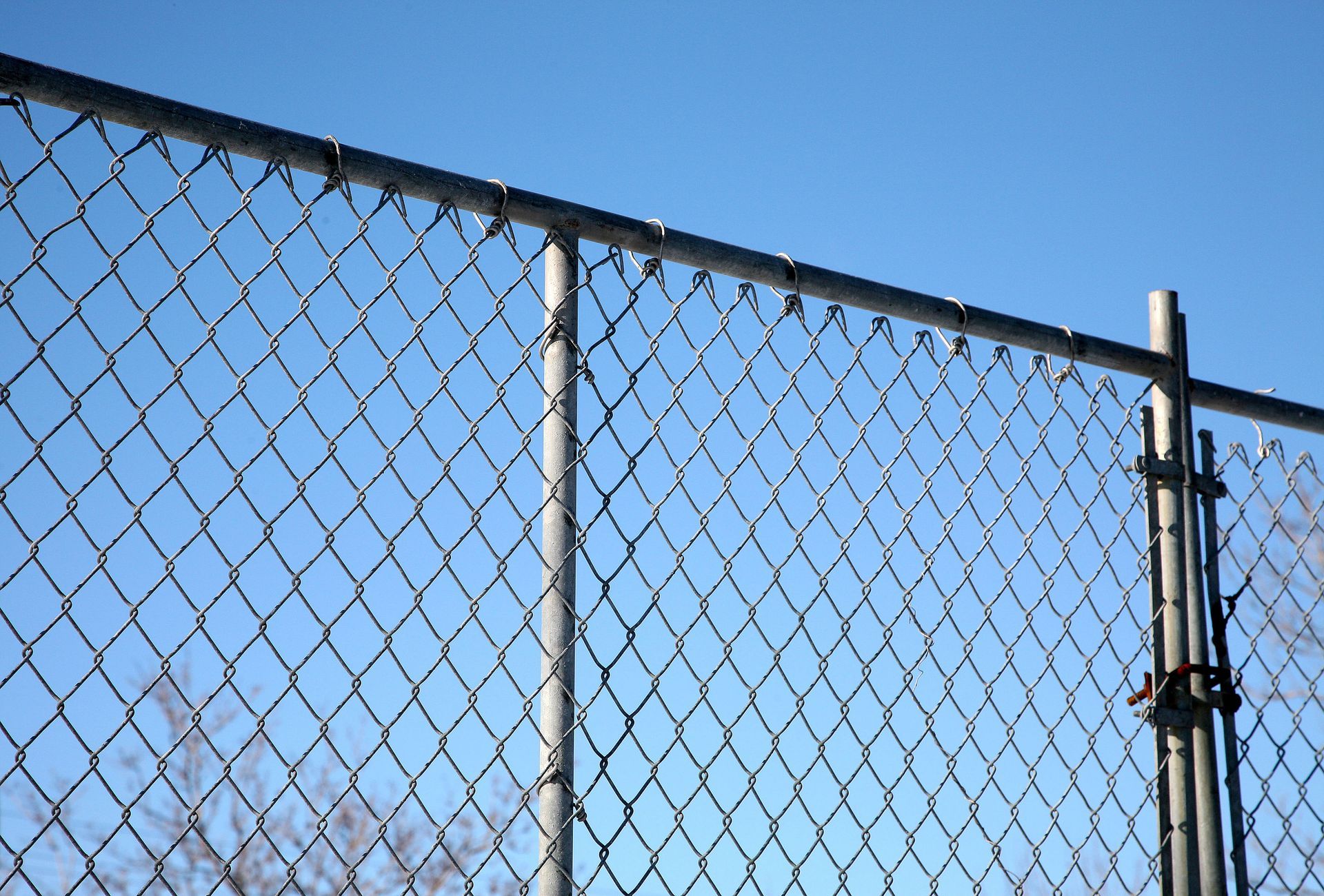
Jobsite security requires constant vigilance to protect both authorized crew members and curious bystanders from hazardous site materials. Caustic concrete slurry presents immediate health risks, including severe chemical burns upon direct skin contact and severe respiratory discomfort if dry cement dust becomes airborne. Unsupervised individuals, wandering pedestrians, or stray animals might inadvertently stumble into open washout pits if proper warning parameters and physical obstacles are absent from the site. Contracting professional temporary fencing services ensures high visibility barriers completely encircle these hazardous containment pits, visually signaling danger to everyone nearby and physically restricting access exclusively to trained personnel equipped with proper protective gear.
Restricting access also deters illegal dumping and unauthorized vehicle activity near delicate containment structures. Busy construction zones often experience heavy traffic from independent subcontractors, material suppliers, and delivery drivers who may unknowingly park or maneuver vehicles too close to washout pit edges, causing structural sidewall collapses. By enclosing the containment zone with durable panel barriers, site managers eliminate the possibility of accidental vehicular intrusion and unauthorized debris disposal. This proactive containment strategy preserves the structural integrity of washout liners, reduces legal liability exposure for project owners, and lowers the probability of costly emergency cleanup procedures resulting from perimeter breaches.
Maintaining Compliance With Regulatory Guidelines
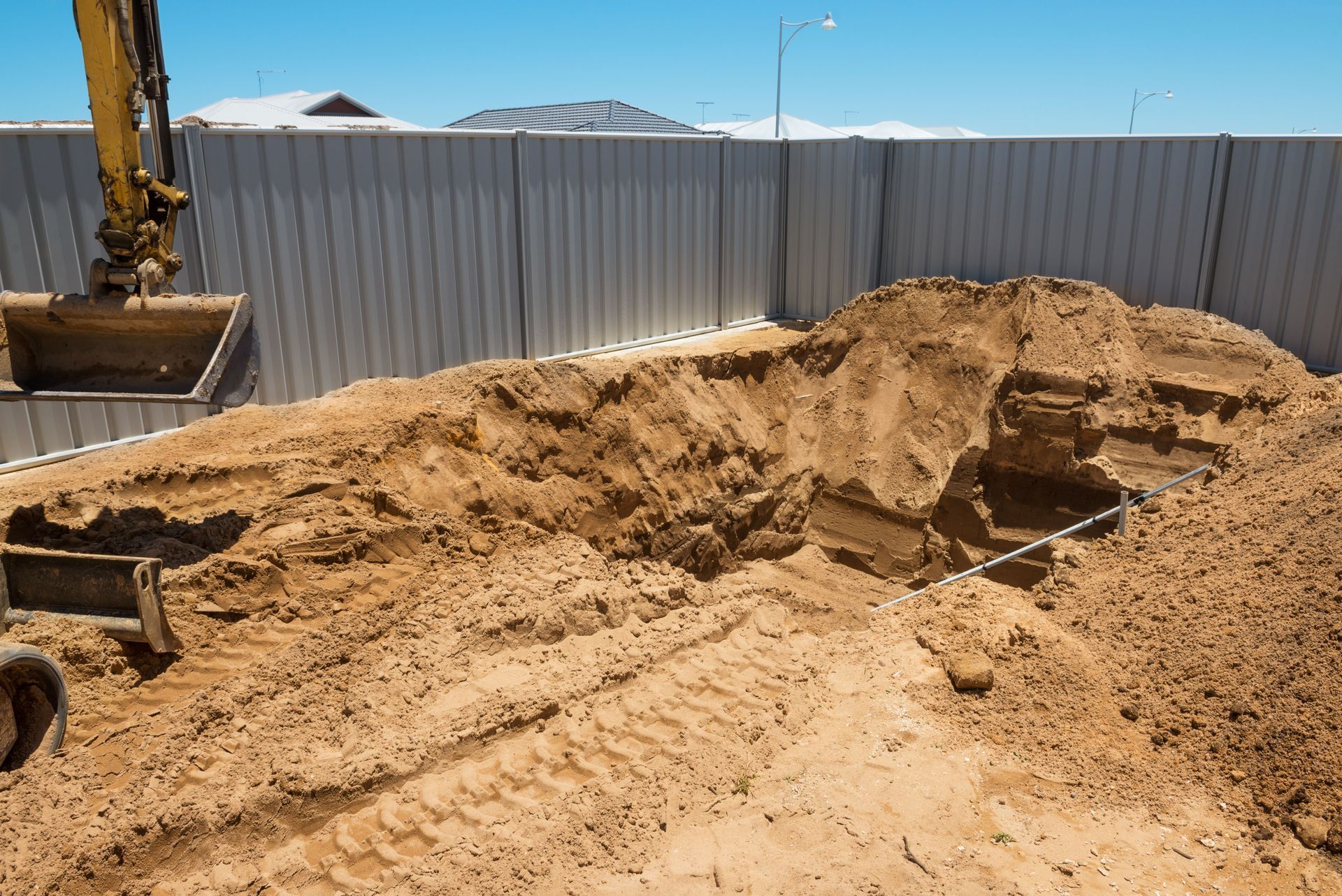
Environmental protection agencies, municipal authorities, and regional inspectors enforce strict rules regarding concrete waste management on residential, commercial, and major infrastructure development projects. Non-compliance with established stormwater pollution prevention plans can result in massive financial fines, unexpected stop-work orders, and severe reputational damage for contracting firms competing for future work. Proper setup and containment procedures must be carefully planned and executed well before any concrete pouring activities commence on location. According to Proswppp, a concrete washout area must be prepared before the first truck arrives, measuring at least 10 feet by 15 feet for above-ground setups, or 14 feet by 9 feet and 3 feet deep if you dig a pit.
Fulfilling these specific dimensional standards is merely part of achieving total regulatory compliance, as inspector expectations also demand visible hazard isolation and structural protection. Environmental inspectors frequently evaluate whether containment installations possess distinct physical boundaries that prevent accidental damage during daily construction operations. Integrating temporary fencing services into the initial site setup demonstrates proactive environmental stewardship and rigorous planning to visiting compliance officers. A clearly enclosed washout zone shows that site management prioritizes environmental safety, simplifying inspection processes and ensuring that all regulatory mandates are fully satisfied throughout the duration of the construction project.
Safeguarding Local Wildlife From Chemical Exposure
Open concrete washout pits pose severe threats to local wildlife, as native animals are frequently drawn to standing water sources on disturbed jobsite terrain. Birds, small mammals, reptiles, and amphibians seeking hydration or searching for prey can easily become trapped in sticky, caustic slurry ponds. Exposure to high pH levels causes severe chemical burns, feather damage, or fatal internal toxicity if the contaminated liquid is ingested. Enclosing these dangerous areas prevents native fauna from entering hazardous containment zones, preserving local biodiversity and mitigating ecological impacts associated with large-scale land development activities.
Implementing sturdy perimeter panels around containment zones creates an effective physical barrier that blocks animals from reaching toxic slurry collection areas. When combined with fine mesh screening or heavy-duty protective covers, temporary fencing services prevent avian species from landing directly in liquid waste while keeping burrowing creatures from disturbing containment pit boundaries. By establishing comprehensive physical security around washout pits, construction companies demonstrate true environmental responsibility, protect sensitive animal species, and uphold sustainable building practices that minimize long-term ecological damage within surrounding communities.
Improving Overall Site Organization And Logistics
Maintaining a neat, well-structured work environment is essential for optimizing daily productivity and preventing accidental injury across busy construction sites. When hazardous areas like concrete washouts remain unmarked or loosely defined, equipment operators face increased difficulty navigating tight spaces, which leads to operational confusion, project delays, and potential vehicular collisions. Establishing clearly defined containment zones allows contractors to maintain orderly traffic flow patterns and designated equipment parking areas throughout the site. Utilizing temporary fencing services creates unmistakable physical boundaries that inform every worker on site where hazardous operations end and safe passage begins.
Proper site organization also enhances professional credibility when clients, project engineers, municipal representatives, or community leaders visit construction sites. A jobsite featuring well-maintained perimeter barriers, tidy waste collection points, and structured hazard containment reflects operational excellence, pride in workmanship, and rigorous quality control. Enclosing washout zones prevents unsightly slurry splatter from spreading across high-visibility areas, maintaining a clean visual aesthetic throughout the building process. Ultimately, organized job sites reduce operational downtime, improve workforce morale, and ensure seamless coordination among multiple trades operating simultaneously.
Securing concrete washout areas is an indispensable component of modern construction management, protecting surrounding natural environments, maintaining strict regulatory compliance, and preventing hazardous workplace accidents. By establishing clear physical boundaries around caustic slurry pits, project managers safeguard local wildlife, protect site personnel, and present a highly professional image to inspectors and clients alike. Partnering with experienced providers for temporary fencing services ensures your containment zones remain secure, functional, and fully compliant through every phase of building construction. Taking proactive measures today prevents catastrophic environmental contamination, avoids expensive regulatory fines, and promotes smooth operational workflows across your entire jobsite. To establish superior containment boundaries and protect your next construction project, contact ESI Environmental Services, LLC.